Sun Eye
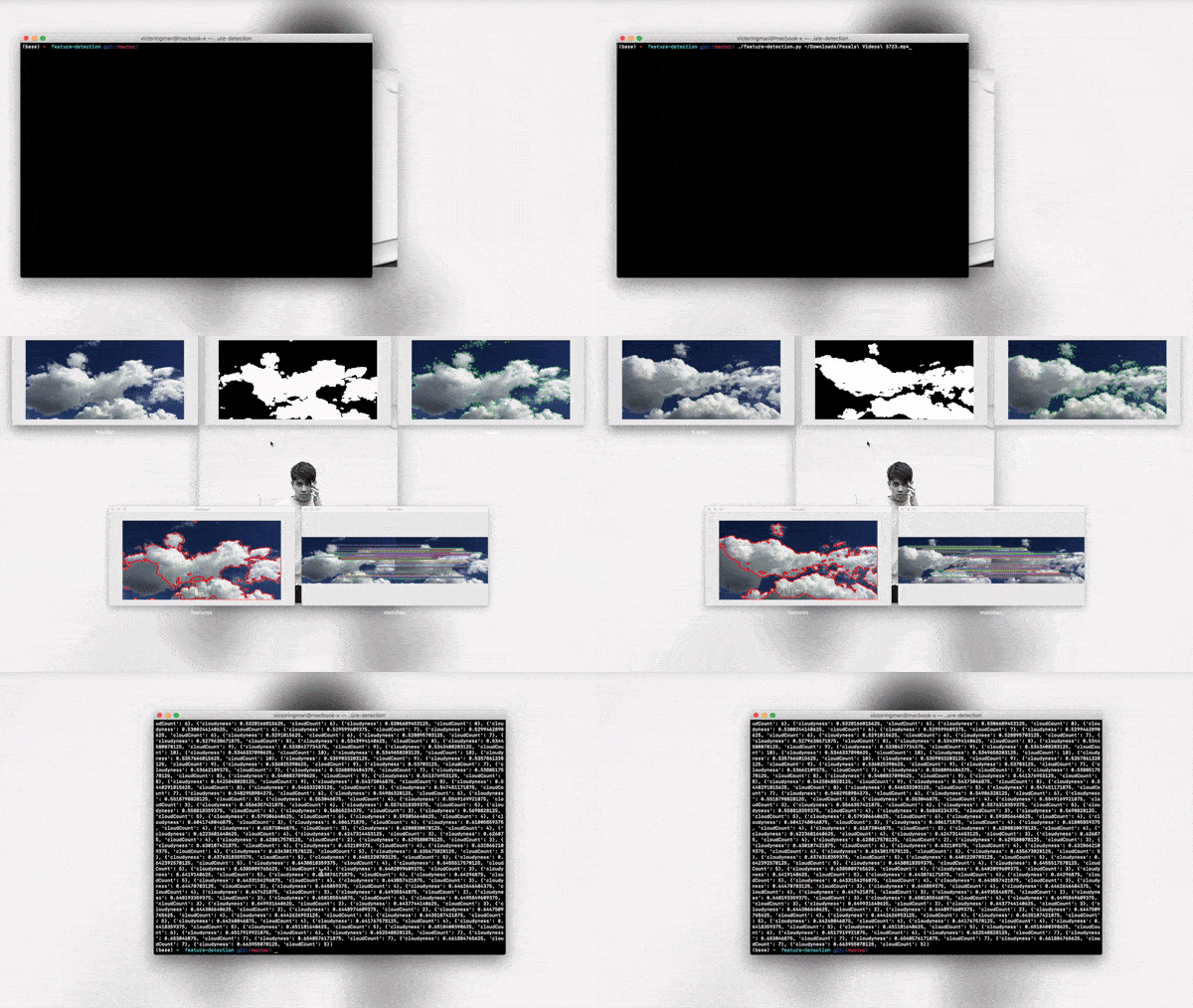
Sun Eye is where it started: cameras pointed at the sky and a collection of machine learning tools for hyperlocal weather prediction, built at Sun Labs together with Victor.
The idea: weather forecasts are regional, but clouds are local. If you can see the sky above you, you should be able to predict the next hour better than any national service. So we taught computers to look up.
What’s in it
- Feature detection — OpenCV analysis of a video stream or image feed: counts clouds, computes a cloudiness factor, returns it all as JSON. Hypnotizing visualizations while it works.
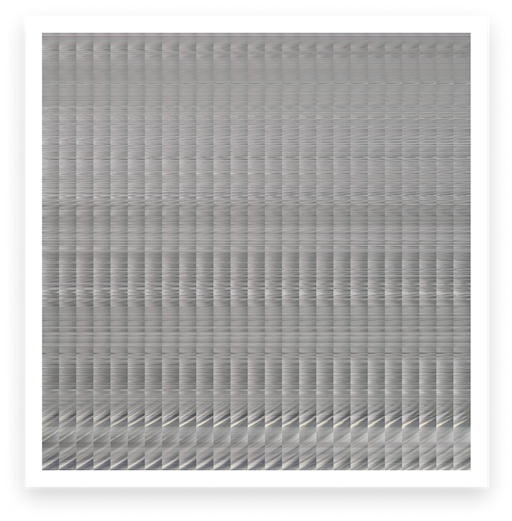
- Mosaic generator — turns a timelapse into a single image strip with the whole day in it, used as training data for convolutional neural nets:
- The physics — cloud height estimated from temperature and relative humidity via the dew point, and camera viewport width at cloud altitude from the focal angle. Enough geometry to know how big the sky you’re looking at actually is.
The code is on GitHub — mostly Jupyter notebooks, the way all good experiments start. The idea made it onto IVA’s 100-lista 2019 — the Royal Swedish Academy of Engineering Sciences’ selection of research and innovation with real-world potential.
Looking back, the thread is obvious: this was weather data feeding predictions, years before skye.energy turned into weather-driven energy. Some obsessions just compound.